When it comes to dental esthetics, a white smile is what most people seek, and teeth whitening has become one of the most requested aesthetic dental services in recent years.
Whether a treatment is performed in an office-style setting at a dental clinic or with a home-use kit, the aim is well known — removing stains and ‘whitening’ teeth.
Although teeth whitening is generally a safe procedure when done properly, it’s good to know how it works, what the side effects are, and how to minimise damage to your pearly whites and gums. Whitening Without Woe: How to Prevent Teeth Sensitivity After Treatments
This guide covers the benefits, safety measures, risks, and what you need to know prior to teeth whitening Stevenage.
What You Need to Know Before Brightening Your Smile
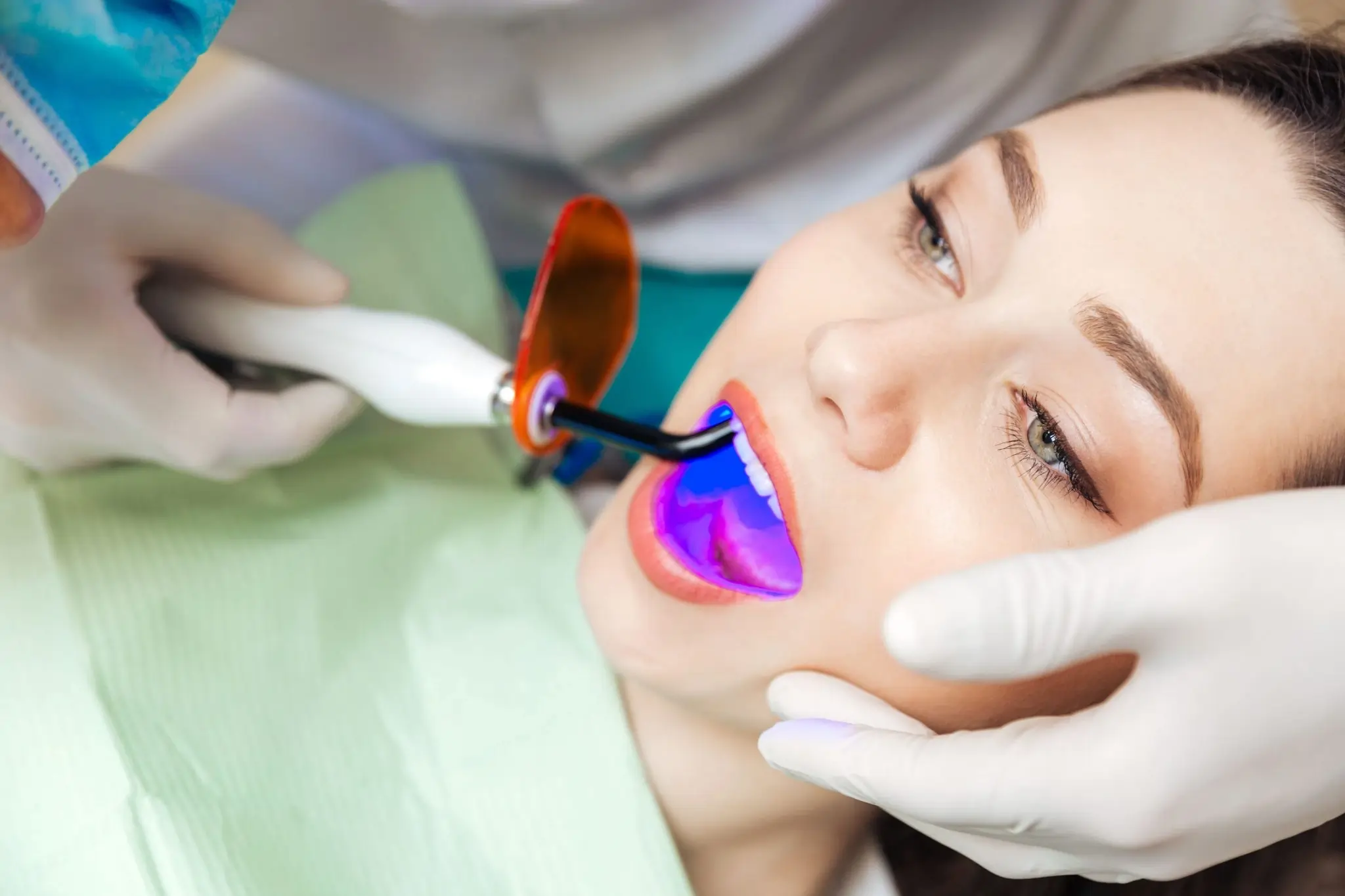
Teeth whitening Stevenage works by applying specially formulated bleaching ingredients, commonly hydrogen peroxide or carbamide peroxide, which help lift and fade stains from the outer surface of the teeth. These stains can develop over time from things like:
- Tea and coffee
- Red wine
- Smoking
- Dark-coloured foods
- Poor oral hygiene
- Natural ageing
Before starting any whitening treatment, it is important to understand that not every type of staining responds in the same way. Yellow-toned stains often whiten more effectively than grey or brown discolouration. Fillings, crowns, veneers, and bonding materials also do not whiten like natural teeth.
It is always best to speak with a dental professional before beginning treatment, especially if you have:
- Sensitive teeth
- Gum disease
- Cavities
- Cracked teeth
- Dental restorations
- Pregnant or breastfeeding concerns
A dental assessment can help determine whether whitening is suitable for you and which treatment option may be safest.
Benefits, Safety, and Possible Side Effects
While teeth whitening Stevenage may be a necessity for some, it can also help polish up your smile and allow many the much-needed boost in confidence in both social and work situations. The main benefits, among others, are :
Improved Smile Appearance
The staining will be less prominent, and a fresher appearance will be created by Whitening.
Increased Confidence
People are often more comfortable smiling, speaking and taking photos after their whitening treatment.
Non-Invasive Cosmetic Treatment
Whitening does not typically involve drilling or reshaping teeth, like how veneers and crowns do. The Lasting Brightness: How Long Does Laser Teeth Whitening Really Last?
Quick Results
Certain professional treatments are capable of whitening teeth significantly in just one appointment.
Is Teeth Whitening Safe?
When carried out correctly by a dental professional, teeth whitening Stevenage is usually regarded as a safe cosmetic treatment for healthy teeth and gums.
Professional whitening products are carefully controlled and designed to minimise risks. Dentists also assess your oral health before treatment to reduce the chance of complications.
Problems are more likely to occur when:
- Products are overused
- Instructions are ignored
- Cheap or unregulated whitening kits are used.
- Whitening is done on unhealthy teeth or gums.
Using whitening products too frequently can sometimes weaken enamel temporarily or irritate soft tissues in the mouth.
Possible Side Effects of Teeth Whitening
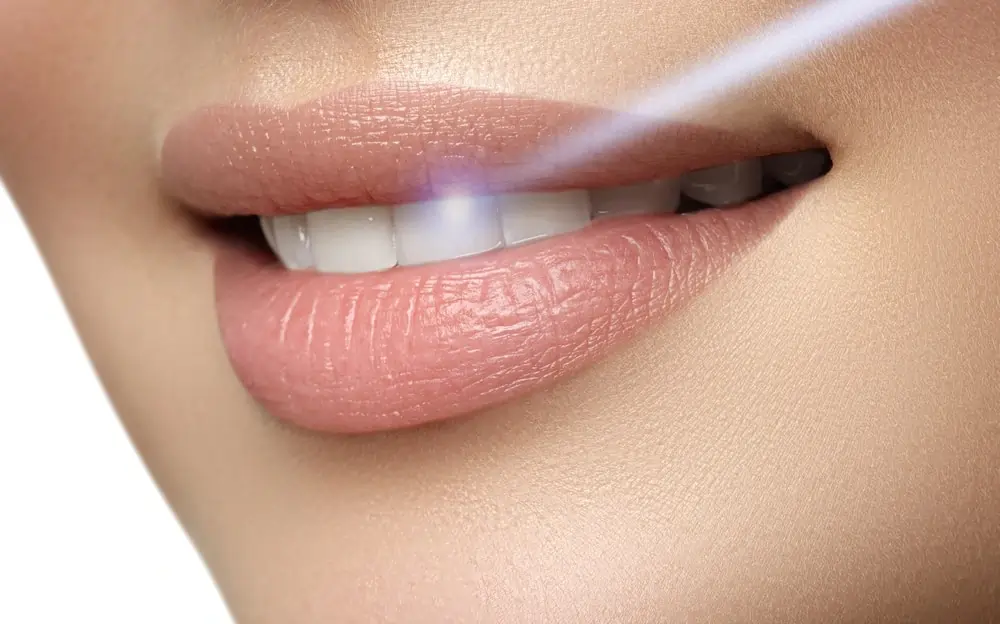
While most side effects are momentary, some individuals may possibly experience discomfort throughout or soon after the procedure.
Tooth Sensitivity
It is the most common side effect of them all. You may be more sensitive to:
- Cold drinks
- Hot foods
- Sweet foods
- Air exposure
Sensitivity goes away after a day or two following treatment.
Gum Irritation
If whitening gel touches the gums, it may cause temporary irritation, redness, or mild soreness.
Uneven Whitening
Teeth with fillings, crowns or internal staining may become discoloured differently from nearby teeth. The Vital Link: How Oral Health Shapes Your Overall Wellbeing
Temporary Discomfort
During treatment, some people may feel a mild ache or tingling, particularly if they find that they have sensitive teeth.
Enamel Concerns
Whitening less frequently or seeking professional guidance if you wish to do it more often may protect the surface of your teeth in the long run.

Understanding Teeth Whitening Risks and Results
Whitening is effective, though everyone responds differently. Factors that influence results include:
- The colour of your tooth will always be its true and natural self.
- The type of staining
- Your oral hygiene habits
- Smoking and dietary habits
- The whitening method used
It is also important to have realistic expectations. Whitening treatments usually improve the shade of teeth rather than creating an artificial “perfect white” appearance.
Some risks may increase if whitening is performed incorrectly or too frequently. DIY products purchased online may contain ingredients that are too strong, poorly regulated, or unsafe to use.
Professional guidance helps reduce these risks and ensures your teeth are healthy enough for treatment beforehand. Dealing with Teeth Sensitivity: When to Visit Your Dentist for Relief
Safety Tips and Common Side Effects
These tips may help keep irritation at bay and make the process much more effective and safe if you choose to have teeth whitening Stevenage.
- Get Professional Recommendations: A dental professional can advise on which whitening procedure is most likely safe for your teeth and gums.
- Strictly Follow Instructions: Never leave whitening products on for longer than the time advised on the label.
- Do Not Overuse Whitening Products – Overuse can make your teeth more sensitive and irritated.
- Opt for desensitising toothpaste: Specially formulated toothpastes can sometimes alleviate temporary sensitivity.
- Practice Regular Oral Hygiene: Maintaining your brushing and flossing routine not only gives you the best chance of sustaining whitening, but also helps prevent staining.
- Foods and drinks that stain: Tea, coffee, red wine, and smoking can all re-stain our teeth right after whitening.
And build in time to recover — allowing the teeth to rest could reduce sensitivity.

FAQs
Q: Does bleaching teeth damage the enamel? Is bleach used to whiten teeth?
When appropriately conducted, teeth bleaching is safe for the enamel. They become problems only if the products are used improperly or excessively.
Q: Why are my teeth so sensitive post-whitening?
Some whitening agents can create sensitivity on the tooth surface, making teeth more vulnerable to hot and cold temperatures for a brief time.
Q: How long does teeth whitening Stevenage normally last before staining returns?
Successes depend on habits, oral hygiene and diet. Few individuals maintain results for months, while stains may reappear sooner in a few.
Q: Is teeth whitening Stevenage for everybody?
Not always. People with a case of gum disease, untreated cavities, extreme sensitivity or very limited dental restoration might require directives before treatment.
Q: Is professional whitening safer than DIY kits?
Professional treatments are generally more controlled and customised for your teeth—two aspects that may reduce the chances of irritation or inconsistent results.
Q: Can whitening remove all stains?
No. Some deep or internal stains may not respond fully to whitening treatments. Dental restorations also do not whiten like natural teeth.